Roofing Contractor

Expert Tips For Hiring A Roofing Contractor In St. Louis, MO
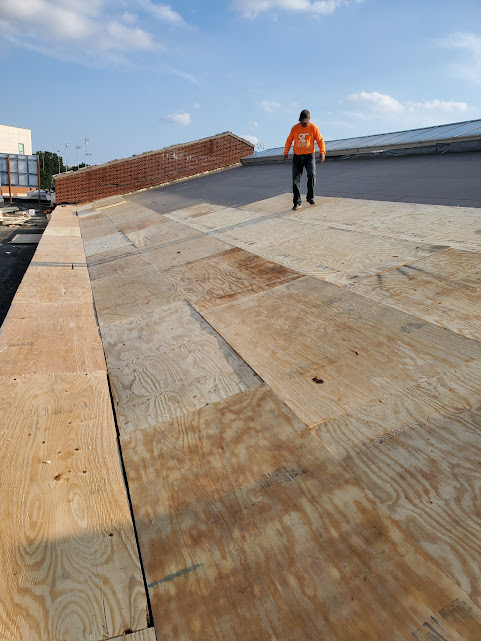
Heavy Missouri rain leaves a leak in your ceiling, and now you need a St. Louis Roofing Contractor you can count on. Storms, high winds, and aging roofs are common here, and small issues grow fast if ignored. This guide gives you clear steps to choose a trustworthy roofing contractor in St. Louis MO, avoid shady deals, spot red flags like vague contracts or lowball bids, and get answers on licensing, warranties, and local experience. If you want quality work without the runaround, keep reading.

Why Choosing the Right Roofing Contractor in St. Louis, MO is Critical

Picking the right roofing contractor in St. Louis can mean calm nights or costly stress. Our weather swings hard, so your roof needs expert care to stay tight and dry. If shingles rip in a storm or leaks show up after a downpour, hiring an experienced local pro makes all the difference.

Local climate challenges and their impact on roofs

Hot, humid summers and icy winters push roofs to the limit. Asphalt shingles may curl after a heatwave. Heavy spring rain can find weak spots and start leaks.

Hail can dent metal and crack common tiles. Snow adds weight fast, stressing older residential roofing systems. A seasoned Roofing contractor St. Louis understands these patterns and helps you choose materials that take a beating, like impact-rated shingles or heavier tile that resists storms.

When storms hit, speed matters. If you need emergency roof repair St. Louis crews can tarp and stabilize damage quickly, which keeps small leaks from turning into big repairs.

“In St. Louis, one rough winter or hailstorm can turn a worn-out roof into Swiss cheese overnight,” says Mike Hanley of ABC Construction Company.

Hiring the best roofing contractor St. Louis is not only about price. It is about protecting your home through every season under Missouri skies.

Why You Need a Professional Roofing Contractor

A pro saves you time, reduces risk, and helps your roof last longer. That means fewer callbacks and fewer surprises on your next insurance claim.

Safety, expertise, and long-term cost savings

Roof work is risky, especially with slick shingles and strong winds. Licensed roofing contractors in St. Louis use proper safety gear, follow city codes, and carry liability insurance plus workers’ compensation. That shields you from medical bills if a crew member gets hurt during roof repair St. Louis MO jobs.

Skill matters too. A certified GAF Master Elite Roofer or factory-trained crew knows how to install materials to spec, which prevents leaks and early wear. Good project management keeps schedules tight and details in check. That helps your roof replacement St. Louis MO last for decades, not just a few years.

Ask for written warranties on labor and materials. Clear terms and honest pricing up front can save you from repeat repairs caused by sloppy work or cut corners.

Key Qualities to Look For in a Roofing Contractor

The right st louis roofing company brings skill, clear paperwork, and a strong track record. You want a team that shows up, cleans up, and stands behind the work.

Licensing and insurance

A licensed roofing contractor in St. Louis follows state rules and local building codes. Ask to see an active license before you sign. City requirements change, so current paperwork matters on both residential and commercial projects.

Insurance protects your wallet if something goes wrong. Only hire roofing contractors in St. Louis who carry workers’ compensation and liability insurance. Do not settle for promises. Ask for certificates.

Being bonded adds extra protection. If a contractor leaves unpaid supplier bills, a bond can help prevent a mechanic’s lien on your property. That matters after storms, when fast work and busy schedules can lead to mistakes or missed payments.

  • Active city and state license
  • General liability insurance
  • Workers’ compensation coverage
  • Bonded, to help prevent post-job claims

Keep your guard up on storm damage jobs. Scammers show up after hail. Verify coverage and identity before anyone climbs a ladder.

“Hiring uninsured roofers is rolling the dice with your home,” advises Tim Carlson of Midwest Risk Group. “One accident could empty your savings.”

If an affordable roofing St. Louis MO bid skips proof of coverage, move on. Pros will show documents before they ask for money.

Local experience and reputation

Roofing contractors st louis with real local time can spot problems early. Hail, driven rain, and temperature swings pound roofs here. That is why you want a licensed roofing contractor St. Louis with deep roots and steady crews.

AMP Restoration & Roofing has served 118,000 homes and earned 7,459 five-star Google reviews across the area. That kind of volume says a lot about process and follow-through.

Check public ratings so you do not rely on sales pitches. Look up Better Business Bureau grades and customer reviews on Yelp or Google. Local homeowners say AMP Restoration replies fast, keeps promises, and finishes clean. The BBB A+ rating points to strong customer care on residential roofing St. Louis MO and bigger jobs that need a commercial roofing contractor St. Louis trusts.

Warranty and guarantees

A good roof should last, but even good jobs can have issues. Leading roofing contractors St Louis offer both labor and material warranties. These protect you if shingles crack or a leak shows up during a heavy rain.

Ask for a written warranty that lists what is covered, time frames, and how to make a claim. Include who supplied the shingles, tile, or shake. A solid workmanship guarantee means the contractor fixes installation errors at no extra cost.

Manufacturer warranties matter too. Products like GAF shingles can carry extended coverage when installed by a GAF Master Elite Roofer, such as AMP Restoration & Roofing. Compare paperwork side by side before you sign. Small differences in terms can affect real dollars later.

Transparent pricing

Clear pricing keeps surprises off your bill. Every project should start with a written, detailed quote that lists materials, labor, subcontracting, disposal fees, permits, and any extras.

  • Exact scope of work and roof area
  • Product names, grades, and colors
  • Flashing, underlayment, vents, and nails included
  • Who handles permits and inspections
  • Timeline and payment schedule tied to milestones

Get a few quotes from St. Louis and nearby suburbs. The lowest price can mean shortcuts or thin materials that fail in Missouri weather. Mid-range bids often balance price and quality. If a proposal is vague, or asks for full payment before work starts, walk away. Ask questions until the contract makes sense to you.

Conclusion

Choosing the right roofing contractor in St. Louis, MO can feel like a lot, but the steps are simple. Verify licenses and insurance. Check local reviews and BBB grades. Get a detailed, written estimate with clear scope, fair milestones, and warranty terms you understand.

Ask what is covered, for how long, and how claims work. Avoid big upfront payments. Tie money to progress or completion that you can see, and that your insurer accepts if a claim is involved. For code and permit questions, consult your city office or a qualified construction attorney. This is general information, not legal advice.

If you want a place to start, AMP Restoration & Roofing shows strong reviews across Missouri and Illinois suburbs. Good roofers handle storm damage calmly and take emergency roof repair St. Louis calls with care. Ask every question you need before anyone sets a ladder. Pick carefully and you will sleep better, under tight shingles, with fewer surprise expenses from your Roofing contractor in St. Louis MO.

FAQs

1. Do I need to talk with my insurer before hiring a roofing contractor in St. Louis, MO?

Absolutely, you should call your insurer first. They can tell you what’s covered and if they have approved contractors for roof repairs or replacements.

2. How does working with my insurer help when picking a roofing company?

Your insurer may recommend trusted companies, saving you time and headaches later. If problems pop up down the road, having their stamp of approval helps smooth out claims.

3. What documents will my insurer want from the roofer?

Most insurers ask for proof of licensing, insurance certificates, detailed estimates, and photos before work starts or payments go out.

4. Can I choose any roofer even if my insurer suggests someone else?

Yes, but check your policy details first; some insurers require using their network for full coverage benefits. Always weigh your options carefully so you don’t get caught between a rock and a hard place during claim time.
How Much Does A New Roof Cost In The Greater St. Louis Area?

Is your roof starting to leak or look worn out? The average cost for a new roof in the Greater St. Louis area ranges from $8,000 to $18,000, depending on several factors such as roofing material and size.

This blog will help you break down what makes up these numbers and how st louis roofing contractors set their prices. Stick around if you want straight answers about roof replacement without any runaround.

Factors Influencing the Cost of a New Roof

The cost of a new roof can change based on several factors. The size and steepness of your roof play significant roles in how much you will pay. Different materials also make a difference.

For example, asphalt shingles are cheaper than metal or tile options. Suppose you need to tear off an old roof before putting on a new one; that adds to the price, too. Complex roofs with many angles or features may require more labor and time, which impacts costs as well.

Don’t forget about permits; these might be necessary depending on where you live!

Roof size and pitch

Bigger roofs require more roofing materials, such as asphalt shingles or metal. You pay extra for every square foot, so a small home in St. Louis will cost less than a big colonial-style house with lots of peaks and valleys.

Steep roof pitches require more labor and safety gear because workers move more slowly, and ladders alone are insufficient. Kirberg Roofing St. Louis, Missouri, knows: “A steep pitch can push the price up by 10% to 20%.”

Flat roof replacement in St. Louis may sound easy, but don’t let that fool you—flat roofs still require special skills and careful drainage planning to prevent water damage or mold growth from pooling rainwater.

Roof repair jobs in St. Louis often become more expensive if your old ridges are high, requiring more time on-site for skilled roofers to use premium flashing or gutter protection systems.

Type of shingle or material

A roof’s size and pitch shape the price, yet the type of shingle or material holds even more sway over your wallet. Asphalt shingles often attract St. Louis homeowners because they balance cost and performance.

Prices for these popular roof shingles run from $4.00 to $6.50 per square foot installed, making them a go-to for those watching their budget during any st louis roof replacement.

On the other hand, opting for premium roofing options like metal roofs, clay tiles, or synthetic slate can quickly increase expenses. Materials such as metal roofing can push costs to $20,000 or higher on a typical home in St.

Louis County—yes, that’s quite a leap compared to standard asphalt! Wood shingles and wooden shakes offer eye-catching charm but require extra care in Midwest storms; tile roofs hold up well yet weigh down older homes unless framing gets reinforced first by trusted st louis roofers.

The choice shapes not just your home repair bill but also long-term energy efficiency, especially if you’re seeking better insulation to avoid summer power outages or planning to add solar panels later with net metering credits from Ameren Missouri or Ameren Illinois.

Each material comes with its own quirks: architectural shingles resist wind better than plain styles, while clay tile stands tall against hail but demands investment upfront. Matching what fits your space best means talking straight with proven roofing companies st louis trusts, so you get real value without wasted expense—or cold feet standing under faulty soffits come wintertime!

Tear-off versus overlay

Choosing between shingles and tiles matters, but the installation process is just as crucial for your St. Louis home. A tear-off involves removing old shingles down to the wood decking before installers install new materials.

This process adds labor and disposal costs to your st. The Louis roof replacement bill often ranges from $1,000 to $2,500, depending on the roof size or the number of layers removed.

Many roofing companies in St. Louis recommend a complete tear-off over an overlay, as covering old material can mask damaged spots or leaks beneath the surface—much like hidden freezer burn under fridge leftovers.

Tear-offs also allow roofers to add a fresh ice and water shield if needed, which protects against the classic Midwest wind and rain that hit shingle roofs hard each spring. Overlaying might look cheaper at first glance, but insurance payouts may shrink for patched jobs while resale value can take a hit too—a real power grid brownout for any future move!

Roofing complexity

The type of roofing work can change the cost. Complex roofs have features like valleys, dormers, and chimneys. These add style but also raise prices. More angles mean more time and materials used for installation.

Multi-storied roofs or those with tricky pitches take longer to install. This extra work can also result in material waste. Homeowners in St. Louis need to consider these factors when thinking about roof replacement costs.

A roof is more than a shelter; it’s a statement.

Permits and inspections

Local rules in St. Louis may require permits for roof replacement.

This means you need to obtain the necessary paperwork before starting the work. Inspections could also be a must during the process.

These steps can add to the cost of a new roof, but they help ensure safety and quality. Following local codes protects your home and keeps everyone safe! Always check with your contractor about these requirements to avoid surprises later on.

Types of Roofing Materials and Costs

Roofing materials come in many forms. Asphalt shingles are popular for their low cost and good durability. Metal roofs shine with strength and longevity, often lasting over 50 years.

Slate or tile roofs offer a classic look but can be pricier upfront. Each choice has its own benefits and costs, so weigh your options carefully before making a decision!

Asphalt shingles

Asphalt shingles are an excellent choice for your roof. They cost between $4.00 and $6.50 per square foot in the Greater St. Louis area. For an average 2,000 square foot home, expect to spend about $10,000 to $13,000 on this type of roofing.

Many homeowners love asphalt shingles because they are affordable and easy to install. Plus, they come in various styles and colors to match your home’s look if you’re considering a new roof replacement in St.

Louis, MO, asphalt shingles should definitely be on your list!

Metal, slate, or tile roofs

Metal, slate, or tile roofs can elevate your home’s appearance. They provide durability and style that asphalt shingles simply can’t match. Premium materials like these often cost $20,000 or more for a complete roof replacement in St.

Louis. Metal roofs have a long lifespan and endure harsh weather conditions effectively. Slate offers an elegant look but comes with a hefty price tag.

Tile roofs are also popular, particularly for their distinctive designs and colors. They are stronger than standard shingles, but can increase the overall roofing costs significantly compared to more affordable options like asphalt shingles.

If you’re looking for a solution that lasts while enhancing your home’s curb appeal, consider metal, slate, or tile.

How to Get an Accurate Quote

Getting a good quote is key to your roof project. Start by asking for several estimates from local contractors. Make sure you get details on what each estimate covers, and don’t shy away from questions.

Think about the long-term benefits as well. A higher upfront cost might save you money later on with better materials or energy savings!

Get multiple estimates

Get quotes from a few local roofing companies. Aim for at least three estimates. This way, you can compare prices and services. Each company may offer different materials or labor costs, which can make a big difference in the total price.

Look closely at what each estimate includes. Some might charge for a tear-off while others do an overlay. A clear breakdown helps you understand your options better. This is key when planning your roof replacement in St.

Louis, MO, as it shapes your budget and choices moving forward!

Ask for a breakdown.

After you get those multiple estimates, ask for a breakdown. This helps you see what each quote includes. Look for key items like new underlayment, flashing, and warranties. Knowing these parts makes it easier to compare offers.

Check if the roofers are licensed and have local experience too. It’s wise to know about their work history. A detailed estimate gives you peace of mind when planning your roof replacement in St.

Louis MO. It can help you avoid surprises down the road!

Consider long-term value

Although quality materials often cost more initially, they save you money in the long run. A metal or slate roof may seem pricey, yet these options last longer and need less upkeep. This means fewer repairs and less stress for St. Louis homeowners.

Hiring skilled contractors can also prevent future expenses. They do the job right, which cuts down on mistakes that lead to costly fixes later. Consider how a good investment now can pay off over time with lower maintenance costs and greater durability.

Ready to Find the Right Options?

Every roof is unique, and every homeowner deserves trustworthy, experienced guidance. Call Revolve Construction today to schedule your free roof inspection and estimate. We’re proud to serve homeowners across St. Louis and the Greater St. Louis area — providing expert care to help protect your home for years to come.

FAQs

1. How much does a roof replacement in St. Louis, MO usually cost?

Prices fluctuate based on factors such as roofing type (flat or tile roofs), building materials, and size. Most homeowners see costs from $6,000 to $15,000 for a standard roof replacement in the Greater St. Louis area.

2. What factors affect the price of a new roof here?

Several factors influence pricing, including the type of energy source used during installation, siding needs, gutter work required, and the option to add solar power to your energy system.

3. Can solar technology make my new roof more expensive?

Yes, adding solar panels or a backup battery initially increases costs, but it can lower your utility bills over time by using clean energy from your own mini solar farm.

4. Are there any tax credits available for installing solar power with my new roof?

Federal tax credit programs help reduce your costs when adding solar power systems or batteries to your home’s infrastructure.

5. Does thermal imaging play a role in determining how much I’ll pay?

Absolutely; some contractors use thermal imaging to spot hidden issues before starting work, so they don’t miss anything that could hike up the bill later. Think of leaks behind siding or under half-timbered houses’ roofs.

6. How do local grid operators like MISO impact my electricity cost after getting a new roof with solar panels?

Suppose you tie into the electrical grid through MISO after upgrading with rooftop solar farms or heliostat tech. In that case, it can change how much you get credited for extra kilowatt-hours sent back, affecting long-term savings on consumption and overall investments in clean energy production.

Roofing FAQs For First-Time Homeowners In St. Louis

Owning a home in St. Louis comes with many questions about roofs. Did you know that roofing problems are one of the most common homeowner concerns? This guide on Roofing FAQs St. Louis will teach you how to care for your roof, spot issues, and avoid costly mistakes.

Keep reading to protect your investment!

Common Roofing Questions for First-Time Homeowners

Owning a home brings new challenges, like caring for your roof. Here are answers to questions many new homeowners in St. Louis ask about their roofs!

How can I tell if my roof needs repairs or replacement?

Check for missing, curled, or cracked shingles. These are signs your roof may need help. Water stains on ceilings or walls often mean leaks and serious damage.

Look at the edges of the roof to spot sagging areas. This could show structural trouble. If you notice granules from shingles in gutters, your roof might be nearing its end. Call a professional if in doubt!

What is the typical lifespan of a roof in St. Louis?

Roofs in St. Louis usually last 20 to 30 years. This depends on the type of material and care it gets. Asphalt shingles, which are common, often last around 20 years.

Metal roofs can live longer, sometimes up to 50 years or more. Tile or slate roofs might even exceed that if maintained well. Weather plays a big role too. Hail, wind, and heavy rains can shorten a roof’s life faster than you think.

Regular inspections help spot problems early and keep your roof strong for its full lifespan!

Does my home need roof ventilation?

Proper roof ventilation keeps your home healthy. It lets hot air escape in summer and stops moisture buildup in winter. Without it, you might face mold, high energy bills, or even damaged shingles.

St. Louis homes often need this because of the mix of hot summers and cold winters. Good ventilation protects against these weather shifts. According to experts, vents can extend your roof’s lifespan by preventing rot or warping.

A well-ventilated roof saves money and stress in the long run.

Roof Maintenance Tips

Taking care of your roof keeps it strong and long-lasting. Small fixes now can save you big headaches later.

How often should I inspect my roof?

Check your roof twice a year. Do it in the spring and fall for best results. Look after storms too, especially if there’s hail or strong winds.

Walk around your home with binoculars. Spot broken shingles, sagging areas, or dark stains. These are signs of damage needing quick fixes. Next up: spotting storm damage on your roof!

What are the signs of roof hail damage?

Hail can wreak havoc on your roof quickly. After a storm, look for dents or bruises on shingles. Asphalt shingles may lose granules, exposing black spots underneath.

Check metal parts like flashing and gutters too. They might show dings or scratches from the hailstones. Soft areas on the roof mean damaged underlayers. Inside your home, water stains or leaks hint at problems caused by hail damage outside.

How do I clean and maintain my roof?

Taking care of your roof keeps it lasting longer. Cleaning it is simple if you know what to do.

  1. Check for debris like leaves or branches often. These can clog gutters and harm shingles.
  2. Use a soft-bristle broom or leaf blower to clear the roof gently. Avoid pressure washers as they can damage shingles.
  3. Trim tree branches near your house. Falling branches can scrape or puncture your roof over time.
  4. Clean your gutters at least twice a year, especially in spring and fall, to avoid water backup on your roof.
  5. Look out for algae or moss growths, which are common in St. Louis due to humidity, and clean them using a 50/50 mix of water and bleach with a garden sprayer.
  6. Inspect shingles after storms for cracks or missing pieces that might lead to leaks if not fixed quickly.
  7. Wear rubber-soled shoes when walking on the roof, so you don’t slip while working on wet or sloped areas.
  8. Do not ignore the flashing (the metal strips protecting seams); check it regularly for rust or lifting edges.
  9. Schedule an annual roof inspection with a trusted roofer in St. Louis to catch any hidden problems early.
  10. Avoid heavy foot traffic on the roof unless necessary; too much weight can cause wear over time.

Keep these steps handy to keep your home safe from roofing troubles!

Hiring a Roofing Contractor in St. Louis

Choosing the right roofer can feel tricky, but asking smart questions makes it easier—read on to learn how to spot reliable pros!

How can I find a trustworthy roofing contractor?

Ask friends, neighbors, or family in St. Louis for recommendations. People you trust can share honest opinions about local companies they’ve used.

Check reviews online but don’t rely only on star ratings. Look for detailed comments that talk about customer service, pricing, and quality of work. Make sure the contractor is licensed and insured in Missouri.

These details protect you from scams or accidents during the job.

Always get at least three quotes before picking someone. Compare prices, timelines, and materials offered. Ask questions about their experience with St. Louis weather challenges like hail and heavy storms.

What should I ask before hiring a roofer?

What should I ask before hiring a roofer?

Hiring a roofer can feel tricky for first-time homeowners. Asking the right questions helps you avoid problems and choose wisely.

  1. Are you licensed and insured?
    This proves they follow laws and protects you if something goes wrong. Without it, any damage or injury could cost you.
  2. Do you have local experience in St. Louis?
    Roofers familiar with St. Louis weather handle its unique challenges like hail and heavy snow better than others.
  3. Can I see references or reviews?
    Reviews tell you about their past work. Ask for contacts from recent projects to learn more about their skills.
  4. What’s the warranty on the roof materials and labor?
    A strong warranty gives peace of mind if issues pop up later.
  5. Do you provide itemized estimates?
    Clear estimates help avoid extra costs later on and keep things transparent.
  6. Who will oversee the project?
    You want to know who to talk to during the job if any concerns come up.
  7. How do you handle cleanup after the work?
    Check how they deal with debris, nails, and other leftover messes around your home.
  8. What safety measures do you follow during roofing work?
    Safety matters for both workers and your property during repairs or replacements.
  9. Do you have experience with my type of roof material?
    Not all roofers are skilled in every material like shingles, metal, or tiles common in residential roofing in St. Louis.
  10. How long will the project take?
    Setting clear timelines prevents confusion about completion dates or delays ahead.

Costs and Materials

Roofing costs can vary widely, so knowing your options helps you plan wisely—read on to learn what fits your home and budget!

How much does a roof repair or replacement cost in St. Louis?

Roof repair costs in St. Louis typically range from $300 to $1,000 for minor fixes like shingle replacement or patching leaks. Larger repairs can climb up to $3,000 or more if there’s structural damage.

A full roof replacement is pricier, often between $5,000 and $12,000 depending on size and materials.

Shingles are the most affordable option for a new roof. Metal or tile roofs cost more but last longer. Factors like labor rates and your home’s location can also affect pricing.

– What are the most popular roofing materials in the area?

What are the most popular roofing materials in the area?

Asphalt shingles are a top choice in St. Louis. They’re affordable, long-lasting, and easy to replace. These shingles can handle most weather conditions well, from rain to wind.

Metal roofs are also common. They last a very long time and stand up strong against storms or heavy snow. Clay tiles and slate are less popular but offer durability if you prefer something stylish or unique-looking for your home.

Each material has its own pros depending on your budget and needs!

Roofing Myths and Misconceptions

Don’t fall for roofing myths—get the facts straight to keep your home safe and sound.

Should I tear off or recover an existing shingle roof?

Tearing off the old shingles gives a clean start. It lets roofers inspect for hidden damage, like rotting wood or leaks. This option can cost more but often lasts longer.

Recovering is cheaper and quicker but adds weight to your roof. St. Louis homes with older structures might not handle this well, especially with snow or storms. Always ask a contractor about your specific situation before deciding.

Do all roofing materials handle St. Louis weather equally?

Shingles may not last as long in St. Louis due to storms and humid summers. Metal roofs handle rain, wind, and snow better than asphalt shingles but can cost more upfront.

Clay tiles resist heat well but might crack under freezing weather here. Flat roofs need extra care with drainage during heavy rains common in the area. Each material reacts differently, so pick one that matches both your budget and St.

Louis’ changing seasons.

Conclusion

Taking care of your roof doesn’t have to be hard. Keep an eye on it, ask questions, and don’t skip inspections. A strong roof protects your home and family from St. Louis weather.

If you need help, pick a roofing contractor who knows their stuff. With these tips, you’re ready for anything!

FAQs

1. What should first-time homeowners in St. Louis know about roof maintenance?

Regular roof maintenance is key to preventing costly repairs. Check for missing shingles, clogged gutters, and leaks after storms.

2. How can I choose a reliable roofing company in St. Louis?

Look for local companies with good reviews and proper licensing. Ask about their experience with residential roofing in St. Louis.

3. When should I replace my roof in St. Louis?

Replace your roof if it’s over 20 years old or showing serious damage like sagging or widespread leaks.

4. What are common roofing problems for St. Louis homeowners?

Common issues include storm damage, ice dams in winter, and water pooling on flat roofs.

5. How much does roof repair cost for homeowners in St. Louis?

Costs vary based on the problem but expect to pay anywhere from a few hundred dollars to several thousand for major repairs or replacements depending on the size of your home and materials used.

Top 5 Questions To Ask Before Hiring A Roofing Contractor

`Worried about leaks, storm damage, or an older roof? Many St. Louis homeowners start hiring a roofing contractor in fall, when prices are steady and weather is mild. Still, the questions to ask a roofing contractor matter more than the season.

This guide gives you a simple roofing contractor checklist, clear steps, and plain definitions. You will learn how to verify qualifications, compare reviews, and read warranties. Use these tips before any estimate or agreement, and protect both home and budget.

Are You Licensed and Insured?

Always confirm licensing and insurance, whether you need a quick roof repair in St. Louis or a full replacement. These documents protect you from legal risk and surprise costs. They also help when choosing the best roofing company for your home.

Verify licensing requirements for your area

Licensing rules vary by state and city, so check local St. Louis requirements before you hire. Some areas do not require licenses, yet many Missouri jobs need a licensed roofing contractor for safety and code compliance. Ask for a license number, plus proof of bonding or registration, if your city requires it.

Review the Better Business Bureau listing, and call your insurer for approved contractor lists. If a license is not required where you live, ask for proof of training and similar past projects. A missing license, or unclear answers, is a warning sign you should not ignore.

For new roofs or new installations, licensing keeps your project on solid ground. It also helps when dealing with inspections and future home sales.

Confirm liability and workers’ compensation insurance

Ask for proof of general liability and workers’ compensation insurance. Liability insurance pays for property damage during the job. Workers’ comp covers worker injuries on your site, so you are not stuck with medical bills or legal claims.

Do not accept verbal promises. Request active policy documents before any work begins. Confirm that coverage includes everyone on your roof, including any subcontractors.

Hiring an uninsured roofer can lead to lawsuits and large costs. In St. Louis, reputable companies know this standard well and comply without delay.

A dependable roofing contractor will provide valid insurance proof on request.

Make insurance checks part of your roofing contractor checklist, every single time.

What Experience Do You Have


Ask about years in business and similar jobs completed. Experience lowers risk, and helps deliver a smooth project in St. Louis.

Years in business

Companies with many years in business usually have stable crews and proven processes. Longevity also signals a track record you can verify. The Better Business Bureau encourages checking history and workmanship coverage, often 10 years or more.

Look for proof the roofer handles projects like yours, not just small repairs. Longtime firms often hold manufacturer certifications and strong online reviews. Verify service history through BBB records and public business profiles.

Experience with similar roofing projects

Ask if the contractor has completed jobs like yours in St. Louis. That includes repair or full replacement with asphalt shingles, wood shake, metal roofing, or flat systems. Request a portfolio and references for recent projects with storm damage, insurance claims, or unique details.

Teams that manage complex jobs on tight schedules show useful experience. Extended warranties can also point to higher quality installations. Ask about their step-by-step plan for homes your size, so expectations stay clear.

Choose a pro who is licensed, and experienced with roofs like yours, shares industry veteran Mark Baldwin of St. Louis Roofing Services.

Next, see how to check references and reviews before hiring the best roofing company in St. Louis.

Can You Provide References or Reviews?

Ask for references, then check online reviews for recent feedback. This simple step helps you hire with confidence, and avoid red flags when hiring a roofer.

Request past client references

You need proof of quality before hiring a roofing contractor in St. Louis. Strong references make decisions easier.

  • Ask for at least three recent references from jobs finished in 2022 or later. The best roofing company in St. Louis should provide these quickly.
  • Speak with customers who had similar repairs, replacements, or upgrades done.
  • Ask how closely the contractor followed the budget, and if there were surprise costs.
  • Confirm if the work finished on time, and how delays were handled.
  • Ask about cleanup. Many homeowners value a spotless yard as much as a tight roof.
  • Listen for clear communication and respectful treatment throughout the project.
  • Review recent ratings on Google or Yelp, but weigh direct feedback from people you trust more heavily.
  • Learn how issues were fixed if something went wrong. Real problem solving shows skill.
  • Match references to your job type, from flat roof repair to full shingle replacement, for fair comparisons.

Check online reviews and ratings

Online reviews reveal how a company treats its customers over time. Focus on recent and consistent feedback.

  • Read reviews from the last 3 to 6 months on Google, BBB, and Angie’s List.
  • Look for a roofing contractor St. Louis with strong ratings for punctuality, quality, and communication.
  • Confirm BBB Accreditation on the BBB website itself.
  • Consider both the number of positive reviews and how recent they are.
  • Watch for repeated complaints. Patterns point to deeper issues.
  • Read company replies to negative reviews. Calm, clear responses show good service habits.
  • Check for an active website, social media pages, and a real project gallery.

What is Your Process and Timeline?

Ask how the work will run, day by day, and how long it will take. Clear steps help you plan around noise, parking, and yard access.

Project timeline and milestones

A top roofing contractor in St. Louis will list target start and finish dates. Key milestones should include tear-off, deck repair if needed, underlayment placement, new installation, daily cleanup, and final inspection. Some jobs finish in one day. Others take longer due to weather or material delays.

Payments should match progress. Never prepay for work not yet completed. Ask if they perform a pre-job inspection to set a realistic schedule.

Request a plan for rain, heat, or supply problems, since conditions can shift. Good contractors will update you as those changes occur.

Use references and reviews to see how well the company sticks to schedules. These details are important questions for roofing estimates in St. Louis.

Communication and updates during the project

After you understand the timeline, confirm how updates will be shared. A licensed roofing contractor in St. Louis should offer daily check-ins, or regular progress notes at a minimum. Name a single contact person, so questions get fast answers.

Expect clear channels, like calls, emails, or brief on-site meetings. Put the update plan in writing, including what happens if an issue arises. Slow replies are a warning sign and often lead to bigger problems.

Good contractors share delays or scope changes right away. That honesty helps prevent surprise costs later, and it keeps trust strong through the project. These are some of the best questions for roofing contractor interviews before signing any paperwork.

What Warranties and Guarantees Do You Offer?

Warranties protect your roof investment and your wallet. Ask about both material coverage and workmanship coverage, and get everything in writing.

Coverage for materials and workmanship

Your contract should show separate warranties for materials and workmanship. Manufacturers provide material warranties that vary by product and brand. If your roofer holds certain certifications, you may qualify for stronger coverage.

Workmanship warranties cover installation mistakes, like leaks from poor flashing. This guarantee comes from the contractor, not the manufacturer. Each warranty must explain what is covered and what is excluded. Ask how to file a claim, and which documents you must keep.

Clear warranty terms lower future out-of-pocket costs. These details matter when learning how to hire a roofing company safely.

Length and terms of warranties

Many reputable St. Louis contractors offer at least a 10-year workmanship warranty. Some offer shorter terms, others offer longer coverage, sometimes for as long as you own the home. Certified installers may also extend manufacturer protection.

Read the terms for maintenance duties, such as gutter cleaning or moss removal. Missing basic upkeep can void coverage. Get all terms in the contract before work starts, and compare options across bids.

Balancing workmanship and material terms is smart before signing. These points belong on any list of what to ask before signing a roofing contract.

Conclusion

Asking clear questions helps you choose the right fit for your roof. You deserve a licensed roofing contractor St. Louis homeowners can trust, one that is skilled, safe, and open about costs. Ask about licensing, insurance, experience, and references, then confirm process and timeline.

Review warranties for both materials and workmanship, and watch for red flags when hiring a roofer. These steps show how to choose the right roofing contractor with confidence. Make your list, ask your questions, and sign only when the answers make sense for your home and budget.

FAQs

1. What should I ask a roofer before hiring them for my project?

Before you hire anyone, always ask what to ask a roofer before hiring. Find out about their experience, the types of roofing jobs they have handled, and if they are familiar with local building codes.

2. Why is it important to know what to ask before signing a roofing contract?

Knowing what to ask before signing a roofing contract helps protect your investment. Ask about warranties, payment schedules, materials used, and how long the job will take so there are no surprises later.

3. How do I confirm if someone is a licensed roofing contractor in St. Louis?

To check if you have found a licensed roofing contractor St. Louis residents can trust, request proof of licensing and insurance from the company or worker directly; then verify these documents with local authorities.

4. What details should be included in my agreement with the roofer?

When reviewing your paperwork, make sure all promises made by the roofer appear in writing; this includes costs, start dates, cleanup plans after work ends, and any guarantees offered by your chosen licensed roofing contractor St. Louis area professionals provide clear contracts that cover every detail discussed during planning sessions.

How Long Does A Roof Typically Last?

roofing professional

Leaks, stains, or curled shingles raise real questions fast. How long should a roof last, and what is the average roof lifespan? The answer depends on material, climate, care, and installation quality, so learning your roof life expectancy helps you plan wisely.

This guide explains how weather, maintenance, and workmanship change roof longevity. You will see what affects roof lifespan, plus simple steps that protect your home. Unsure about repair or replacement? The sections below will make that choice clearer.

Roof Lifespan Based on Material

The roofing material matters most. From asphalt shingle roofs to standing seam metal, each option ages differently. Knowing typical ranges helps set a smart roof replacement timeline and budget.

Asphalt Shingles: 15-30 Years

Asphalt shingles remain the most common choice. Expect 15 to 30 years on many homes, depending on shingle grade, local weather, and the installer’s skill. Architectural shingles, which are thicker than basic three-tab shingles, often last longer.

Harsh conditions, like hailstorms or winter storms, shorten the lifespan of asphalt shingle roof systems. Strong attic ventilation moves out heat and moisture. Proper insulation limits ice dams, which cause water damage.

Check for missing shingles, cracked sealant, granules in gutters, and ceiling stains. These are early warnings. In cold regions, freeze-thaw cycles can loosen shingles and create sagging spots.

Prompt repairs keep water out and protect the roof deck. A trusted roofing professional can tell you when to repair a shingle roof, and when to replace it, so you avoid surprise costs.

Metal Roofs: 40-70+ Years

Metal roofs often last 40 to 70 years, and sometimes longer. Premium metals like copper or zinc can pass 100 years with care. That long metal roof lifespan makes metal an investment, not just a cover.

Correct installation is critical. Panels, fasteners, and flashings, which are metal pieces that seal roof joints, must be fitted and sealed well. Poor workmanship invites leaks, rust, and noise. Quality work boosts performance and long-term value.

Severe weather tests even strong systems. Hailstones, straight-line winds, snow, and tornadoes can dent panels and loosen seams. After big storms, schedule an inspection, fix issues, and clear debris from valleys and ridge areas.

Scan for missing fasteners, loose edges, rust spots, and stains around skylights or chimneys. Keep gutters clean to protect the waterproofing layers under the surface.

A well maintained metal roof can outlast most roofing shingles and built-up systems by decades.

Many major brands offer long warranties, sometimes up to 50 years. That brings peace of mind, and can support your homeowners insurance requirements too.

Clay and Concrete Tiles: 50-100 Years

Clay roof tiles can last 50 to more than 100 years. Concrete tiles often reach 50 to 60 years. Tile roofs rely on expert installation and quality materials, since each piece must be secured and flashed correctly.

Wind, hail, and flying debris can crack tiles. Regular care slows wear. Keep moss and lichens off the surface, and address ice dams quickly. These growths hold moisture and add weight.

Replace broken tiles as soon as you spot them. Clear leaves and branches, and confirm that gutters move water freely. Gutter guards help reduce clogs from nearby trees.

With steady care, a tile roof lifespan can reach its upper range. The next section covers slate, a natural stone that can last even longer.

Slate Roofs: 60-150 Years

Slate roofs are known for very long service. Many last 60 to 150 years, thanks to the strength of natural stone. Longevity depends on rock quality, the skill of the roofer, and routine upkeep.

Slate resists corrosion and rusting that can affect metal. Yet it can crack under large hail or heavy impact. Regular inspections find broken tiles early, which limits roof hail damage and leaks.

Choose trained slate installers. They will fit tiles, copper nails, and flashing the right way. Keep up with small repairs to protect your investment, and to keep the home dry for decades.

Wood Shingles and Shakes: 30-50 Years

Wood shingles are cut smooth, while wood shakes are split and thicker. Both offer natural beauty. With steady care, many wood roofs last 30 to 50 years. Higher grade cedar shakes can approach the upper end.

Moisture, sun, and wind speed up wear. In wet climates, wood can rot or split sooner. Poor installation leads to gaps and early leaks, so hire experienced installers.

Watch for missing pieces, dark stains inside, or wavy lines on the roof. These hints point to water getting past the surface. Plan inspections every few years, and repair problems fast to reach the best lifespan.

Flat Roofs: 10-30+ Years

Flat roofs face different stresses than pitched roofs. Life expectancy ranges from 10 to 30 years, sometimes more. Results depend on materials and workmanship.

Common systems include built-up roofing, called BUR, modified bitumen, and single-ply membranes like EPDM and TPO, also called thermoplastic polyolefin. Single-ply means one factory-made layer installed over the roof deck.

UV light, which is ultraviolet radiation from the sun, can break down many flat surfaces. A protective coating slows that wear. Snow loads and high winds can also strain seams and drains.

Inspect regularly for ponding water, open seams, blisters, and punctures. Check felt paper or edge trim near drains, and look for cracked sealant. Timely repairs push service life toward the upper range.

Factors That Affect Roof Longevity

Every roof ages, yet some last much longer than others. Materials, installation, climate, slope, and maintenance all shape roof longevity. The right mix can add many years.

Quality of Materials

Better materials usually last longer. Slate can reach 150 years. Metal often goes five decades or more. Lower grade asphalt ages faster, and its protective surface wears down sooner.

Consider impact ratings, wind ratings, and the warranty. A strong composite shingle with a solid warranty can delay replacement. Thick clay tiles or high-grade wood also stand up better to storms.

Ask what product the roofer will install, and confirm brand and model. Material choice sets your roof life expectancy on day one.

Quality of Installation

Even premium materials fail early if installed poorly. Shingles, tiles, and panels must be aligned, fastened, and sealed to the manufacturer’s rules. That keeps water out and air moving correctly.

Key details include underlayment, flashing at chimneys and vents, and starter strips. Good attic ventilation, such as continuous ridge vents, removes heat and moisture. Skipping these steps shortens service life and may void a warranty.

Choose trained pros who follow codes and factory specs. Careful work protects against leaks, blow-offs, and early aging.

Local Weather Conditions

Climate has a big impact. Hot sun dries out asphalt. Humidity speeds rot in wood. Coastal salt air can corrode metal faster.

Wide temperature swings cause expansion and contraction, which stresses fasteners and seams. Heavy snow adds weight, and large hail can crack tiles and slate.

Match material to your region. For example, slate handles heavy snow well, while some thin shingles struggle under hail. Strong choices can outlast the average roof lifespan in tough places.

Roof Slope and Ventilation

Slope controls drainage. Steeper roofs shed water and debris faster. Flat areas hold water longer, which increases wear and leak risk.

Ventilation matters too. Proper airflow in the attic moves out heat and moisture. Without it, shingles curl, wood swells, and mildew grows. Good airflow can extend how long a roof lasts before replacement.

Regular Maintenance

Maintenance turns small issues into quick fixes instead of big repairs. Inspect seasonally and after major storms. Clean gutters so water flows away from the house.

Remove roof debris that traps moisture. Catch loose flashing or popped fasteners early. These simple roof maintenance tips for longer life pay off in lower costs over time.

Signs It’s Time to Replace Your Roof

Wondering when to replace a roof? Certain clues point to the end of service life. Spotting them early can save wood framing, ceilings, and money.

Missing or Damaged Shingles

Missing, cracked, or curled shingles signal aging. Gaps let water into the underlayment, attic, and walls. That leads to hidden mold, ruined insulation, and rising energy bills.

Look for bare spots where granules used to be. If many shingles are worn, broad repairs may not last. A full replacement could be the safer choice.

Roofers often use drones and infrared tools to inspect safely. Their findings help you weigh repair versus replacement. These are clear signs you need a new roof, or at least a major fix.

Granule Loss from Shingles

Those tiny stone granules protect asphalt from sun and rain. Heavy loss speeds aging. Check gutters and downspouts after storms for gray grit.

Finding lots of granules means the shingle surface is thinning. Bald spots expose the base mat, which fails faster. If you see this across large areas, plan next steps soon.

Leaks or Water Damage

Water stains on ceilings, peeling paint, or damp attic insulation point to leaks. Moisture can ruin drywall and wood, and it harms indoor air quality.

If you suspect a leak, call a pro quickly. Specialists can locate the source with cameras and meters. Fast action prevents bigger damage, especially where how weather impacts roof lifespan each year.

Sagging Roofline

A roofline that dips or waves is a serious warning. Trapped moisture, damaged framing, or heavy snow loads can cause sagging. Delay can lead to structural trouble inside the house.

Combine a visual roof check with an attic look, if safe. If sagging appears with stains or soft spots, get an inspection right away. Safety note: avoid climbing on steep or slippery roofs. Use binoculars from the ground, and hire a pro for close checks.

How to Extend the Life of Your Roof

Small habits can add years to any system, from shingle roofs to tile roofs. Aim to prevent water intrusion, control heat, and fix problems early. These steps stretch life and save money across the roof replacement timeline.

Schedule Regular Inspections

Plan a check each spring and fall, and after big storms. A roofing specialist can spot early damage you might miss from the ground.

  • Look for missing shingles, open seams, or cracked flashing.
  • Check attic vents for blockages and moisture.
  • Review skylights and chimneys for loose sealant.

Consistent inspections reduce surprise costs. For example, sealing a small flashing leak today can prevent wet insulation and ceiling repairs later.

Perform Timely Repairs

Fix issues while they are small. Replace a few damaged shingles before wind lifts the rest. Reseal flashing at vents and chimneys to stop drips.

On flat roofs, patch punctures and secure loose edges right away. Roofers use moisture meters, drones, and core samples to guide repairs. Quick responses can extend the life of asphalt shingles, metal panels, clay tiles, slate, wood, and membranes alike.

Keep Gutters and Roof Clean

Clean gutters move water off the roof and away from the foundation. Clogs cause backing water, which rots edges and fascia boards.

On the surface, remove leaves, branches, and moss. Moss traps moisture and can pry up shingles. Use gentle methods on shingles. Hire gutter cleaning services or a roofing pro for higher or complex areas.

Safety reminder: roof work is risky. Use proper ladders and fall protection, or choose a licensed contractor. Local rules may require permits for certain repairs.

Conclusion

Every roof wears out, yet smart choices extend service life. Material, climate, installation, and care decide how long it lasts. Metal roof lifespan often reaches decades. The lifespan of asphalt shingle roof systems is shorter, yet regular care can close the gap.

Watch for warning signs you need a new roof, such as leaks, missing shingles, or sagging. Act early to avoid the high cost of replacing a roof after lifespan ends. When in doubt, get a professional inspection. Good advice, plus steady maintenance, protects your home and your budget for years to come.

FAQs

1. How long does a roof typically last?

A roof usually lasts between 20 and 50 years, depending on the roofing material, weather conditions, and how well you maintain it. Asphalt shingles often last about 20 years; metal roofs can go up to 50 years or more.

2. What factors affect how long my roof will last?

The lifespan of your roof depends on the type of roofing material you choose, local climate patterns like heavy rain or snow, proper installation by skilled workers, and regular maintenance such as cleaning gutters or fixing loose tiles.

3. Can I make my roof last longer with care?

Yes, if you keep your gutters clear of leaves and debris, check for missing or broken tiles after storms, fix leaks right away, and schedule yearly inspections from a professional roofer; these steps help extend your roof’s life.

4. When should I think about replacing my old roof?

If your current roofing shows signs like curling shingles, frequent leaks inside the house after rainstorms, visible sagging in certain areas of the structure; or if it is near its expected age limit based on its material type—it may be time to consider getting a new one installed.

Roof Repair vs. Replacement in St. Louis: How to Decide After Hail or High Winds

When you live in the St. Louis metro, you learn to read the sky. One night it’s quiet over Kirkwood; the next, a line of storms drops quarter-size hail over Florissant and sends tree limbs across Clayton. Add our humid summers and winter freeze–thaw, and you’ve got a roof that works hard year-round. If your shingles lifted in last week’s wind, or you’re spotting a brown ring on the bedroom ceiling, the big question lands fast: fix it or replace it? Revolve Construction has been helping St. Louis families answer that question since 2008—with plain-spoken assessments, code-smart installations, and zero scare tactics.

St. Louis weather reality: why roofs fail here

St. Louis sits in a clash zone for Gulf moisture and Midwest cold fronts. Spring through early summer is our busy season for severe weather; that’s when strong updrafts can produce storm damaging and straight-line winds. The National Weather Service office in St. Louis even tracks hail climatology for Missouri and Illinois to help forecast risk, underscoring how often hailstones become a factor here. And statewide climatology notes that roughly 60% of Missouri’s thunderstorms occur May through August, which aligns with the calls we get from Chesterfield to Soulard. 

Hail size matters. As a rule of thumb, 1-inch (quarter-size) hail meets the severe threshold, and that’s often where shingle bruising and fractured mats start to show up, especially on older roofs. The National Weather Service’s hail size chart is what many spotters and adjusters use to keep terminology consistent.

Wind is the other culprit. Gusts peel up the leading edges of shingles, breaking the sealant bond; repeated lift can crease tabs and open pathways for water. In winter, quick thaws refreeze overnight, creating ice along eaves and in gutters. That freeze–thaw cycle can push water under shingles and into soffits if the roof edge, flashing, or ventilation is marginal.

The first 72 hours after a storm (and when to tarp)

If you suspect damage, here’s the calm path that keeps you protected and makes any future claim easier:

  • Stay safe—no climbing. Photograph the ground-level clues (shingle granules at downspouts, dented gutters, torn screens).
  • Control interior moisture. If a ceiling is wet, poke a small hole through the paint bubble with a screwdriver and set a bucket—controlled drains beat random blowouts.
  • Call for an inspection and tarp if needed. Revolve offers free same-day roof inspections and 24/7 emergency tarping. A clean, professionally anchored tarp prevents additional damage and shows you acted in good faith while you evaluate next steps.

We’ll arrive with fall protection, camera documentation, and a checklist tuned to hail and wind damage in our region. If we find open seams, missing shingle strips, exposed fasteners, or punctured vents, we stabilize first—rain doesn’t wait for paperwork.

Repair vs. replace — a simple, plain-spoken framework

You don’t need a ladder to get a straight answer. These are the levers we look at, and we’ll walk them with you at the kitchen table.

1) Age & condition. Architectural asphalt shingles on St. Louis homes commonly last 18–25 years, but that range tightens with poor ventilation, lots of shade, or recent storm history. If granule loss is heavy in the valleys, if the shingle mats feel brittle at the edges, or if the deck shows soft spots along eaves, you may be paying for repeated leak chases. In those cases, replacement is often cheaper over a five- to ten-year horizon than patch-work repairs.

2) Scope & recurrence. One lifted ridge cap or a popped nail under a boot vent? That’s a classic repair. Leaks showing on multiple ceilings, or a history of “we fixed that corner last year” calls? That points to systemic issues—aging underlayment, tired flashing, or design gaps—that a reroof solves in one controlled project.

3) Storm severity & pattern. Hail leaves a pattern that pros can recognize: bruises that feel soft to the touch, fractures in the shingle mat, granule craters exposing asphalt. Wind leaves creases and broken seals. If quarter-size hail hit your block, we’ll check ridge caps, vents, and the windward slopes first; if it was golf-ball size in parts of St. Charles, we’ll evaluate more aggressively for cracked mats and dented metals. Again, the NWS size chart keeps “quarter” and “golf ball” language consistent. [NWS hail size reference].

4) Code, ventilation, and “if we’re opening it anyway.” When a roof is stripped, that’s the right time to fix attic ventilation and edge details. Building codes call for minimum ventilation ratios (commonly 1 square foot of net-free vent area per 150 square feet of attic, with a 1/300 exception when certain conditions are met). Balanced intake at the soffit and exhaust at the ridge helps shingles run cooler in summer and reduces winter moisture.

5) Budget & timing. If your roof is mid-life and damage is localized, repair is sensible. If it’s late-life and storm-hit across multiple slopes, replacement compresses future risk into one scheduled project. Either way, we’ll show line-item options so you can weigh the cost of recurring calls versus a full reset.

Mini case study: 1950s ranch in Kirkwood after a hail cell (hypothetical)

A homeowner off West Essex Ave in Kirkwood calls the morning after a spring squall. Neighbors mention “quarter-to-ping-pong” hail overnight. From the ground we see granules washing at the downspouts and a dented mailbox—good clues without climbing.

Day 0: Our inspector documents shingles, ridge caps, pipe boots, and box vents. The north and west slopes show 8–12 hail bruises per test square, with a few torn tabs near the hip. The attic has light staining near a bath fan but no active drip. We tarp the ridge and one penetration before the afternoon rain.

Day 1–3: We share photos and a written assessment, then meet the adjuster on site. We compare hail size to the NWS chart language to keep everybody aligned. The adjuster agrees the windward slopes and ridge are compromised.

Week 2: The owner chooses architectural shingles with a high-wind nailing pattern and upgraded underlayment at valleys and eaves. Because we’re opening the roof, we also rebalance ventilation with continuous soffit intake and a low-profile ridge vent to meet the IRC ventilation ratio. The project passes inspection, and gutters get re-pitched to cure a chronic overflow at the back patio. Total on-site time: two days, plus one for gutters. The leak ring on the hall ceiling never returns.

Materials that make sense in the STL metro

Architectural asphalt shingles (the neighborhood standard). They balance cost, curb appeal, and installation speed. If you’re in a hail-prone pocket of St. Louis County or St. Charles County, impact-resistant (IR) shingles are worth a look. Independent testing from the Insurance Institute for Business & Home Safety (IBHS) digs deeper than the familiar UL 2218 classification, focusing on how shingles perform under more realistic hail impacts—useful context when you’re deciding on an upgrade. 

Underlayment and edges. We recommend a self-adhered ice-and-water membrane at eaves, valleys, and around penetrations—especially important with our freeze–thaw swings along the Missouri and Mississippi river bluffs.

Flat sections and light commercial roofs. For small businesses in Maplewood or mixed-use buildings in Central West End, single-ply systems (TPO or EPDM) handle ponding and foot traffic better than shingles. Tapered insulation adds slope to stubborn flat areas, and properly sized scuppers/outlets keep water moving during those intense summer downpours.

Ventilation and heat. A balanced system—soffit intake paired with ridge exhaust—keeps shingle temps reasonable in July and helps purge attic humidity after those August storms that leave the air feeling like soup. Again, the 1/150 (or 1/300 exception) framework is our code baseline, not a sales add-on. 

Permits, inspections, and “will this pass?” across the metro

Permitting and inspections vary across the St. Louis metro. St. Louis County publishes a Residential Re-Roofing Checklist that outlines when a permit is required—for example, certain low slopes, sheathing replacement over set thresholds, or material changes. Commercial reroofs have their own triggers. We follow these rules so you don’t have to memorize them. 

Inside the City of St. Louis, the Building Division explains that permits are required for structural changes and major alterations; routine maintenance may not need a permit. During our pre-construction walkthrough, we’ll confirm whether your scope involves permitting and arrange inspections around weather so your project stays on track. 

Bottom line: we’re pragmatic. If a permit is required, we pull it, schedule inspections, and build to pass the first time.

Insurance & documentation — guidance, not legal advice

We’re not lawyers, and we don’t promise outcomes. What we do is document thoroughly, meet adjusters on time, and keep your home weather-tight while decisions are made. In Missouri, consumer guidance notes that insurers must acknowledge receipt of a claim within 10 working days—that doesn’t mean approval, but it’s a helpful timing benchmark so you’re not wondering if your notice was received. We’ll show you how to organize photos, keep receipts for emergency tarping, and prepare a clean, line-item scope. 

If you decide to file, call your carrier promptly, then let us coordinate a joint site visit so everyone sees the same roof, from CWE ridge caps to that stubborn valley over your Soulard addition.

How Revolve Construction (Since 2008) handles your project

Our process is simple and neighborly:

  1. Free same-day inspection. We check shingles, flashing, decking from accessible points, and the attic when safe.
  2. Straight options. If a repair is smart, we say so. If a replacement is wiser, we’ll explain why in photos and plain English.
  3. Code-conscious scope. We plan ventilation, underlayment, and edge details to meet code and St. Louis County/City/St. Charles realities.
  4. Safe jobsite, tidy finish. Harnesses on, magnet sweep after. We respect driveways in Clayton as much as loading zones behind small shops on Manchester.
  5. Follow-through. We’re still here after the storm headlines fade. We’ve been at this since 2008, fully licensed and insured.

FAQ

How big does hail need to be to damage a roof?

Quarter-size (1-inch) hail marks the severe threshold and can bruise or fracture aging shingles, especially on windward slopes and ridge caps. Bigger stones increase risk. 

Do I need a permit to replace my roof?

It depends on location and scope. St. Louis County’s Residential Re-Roofing Checklist spells out triggers like certain slopes, sheathing replacement percentages, or changing materials; the City of St. Louis requires permits for major alterations. We’ll confirm and handle the paperwork. 

What if I only see a small stain inside?

Small stains can come from a single fastener hole or a larger flashing issue. We’ll trace it, moisture-meter it, and advise whether a targeted repair or a bigger fix is smarter.

What’s the 1/150 vs. 1/300 ventilation thing?

It’s code math for attic airflow. Minimum is typically 1 square foot of net-free vent area per 150 square feet of attic; a 1/300 exception applies when certain conditions are met, and we balance intake at soffits with exhaust at the ridge. 

Are impact-resistant shingles worth it here?

If your area repeatedly sees hail (many in West County and St. Charles do), IR shingles can reduce damage risk. IBHS research compares how shingles actually perform under more realistic hail impacts—useful when choosing. 

How fast should I call my insurer after a storm?

Quickly. Document first, then notify. Missouri consumer guidance says insurers must acknowledge your claim within 10 working days; that’s not legal advice or a guarantee, just a timing guardrail. We can share your photos and scope to keep things organized. 

Ready for a straight answer?

Whether you’re in Central West End, Chesterfield, or across the river in St. Charles, Revolve Construction will give you a clear, same-day inspection and a no-pressure plan. If a tarp is needed, our 24/7 emergency team is on it. If a repair solves it, great. If a replacement is smarter, we’ll show you why—photos, code notes, the works. Book your free storm-damage assessment today and let’s protect your home the right way—neighbor to neighbor, since 2008.

10 Signs It’s Time to Replace Your Roof (Advice from a St. Louis Roofing Contractor)

St. Louis roofs work hard. Summer hail, spring wind, winter freeze–thaw, and 100-year-old homes put shingles and flashing to the test. If you’re spotting stains or granules in the gutters, you’re asking the big question: repair or replace? As a St. Louis roofing contractor, here’s how we help homeowners decide—what to check, what’s urgent, and when a full replacement saves money.

Quick links:

A 60-second DIY roof triage (no ladder needed)


A man with hard hat standing on steps inspecting house roof

Start here. If you spot two or more of these from the ground or attic, it’s time to bring in a pro:

  • Shingle edges curling or cracking, bald spots where granules are gone.
  • Missing shingles or tabs lifted after a recent storm.
  • Dark streaks under penetrations (chimneys, vents) or around valleys.
  • Attic clues: daylight through boards, damp insulation, rusty nails, musty smell.
  • Ceiling/bath fan stains after rain.
  • Gutter loads of granules after a storm.

Tip from a roofing contractor St. Louis homeowners trust: After hail or high wind, take 6–8 photos from the ground and in the attic. Time-stamped pics help whether you repair, replace, or file a claim.

How long do roofs last in St. Louis?

Most homes here use asphalt architectural shingles, typically 18–25 years depending on ventilation, attic humidity, and storm exposure. Historic areas may still have slate or clay—these last longer but need specialized care.

Two local realities shorten life spans:

  1. Storm cycles: In the last 12 months, the metro saw numerous hail reports and severe-weather warnings—that “sandblasting” strips granules and weakens the shingle mat, even if leaks show up months later (NWS St. Louis & event trackers).
  2. Old housing stock: Many neighborhoods have homes approaching or past 100 years old, so decking, ventilation, and flashing often weren’t designed for today’s weather.

Budget ballpark: A typical ~1,700-sq-ft St. Louis roof replacement averages around $9,000 (as of Aug 2025). Material, pitch, layers, access, and ventilation upgrades move the number up or down. Use this as a planning anchor—not a quote from a St. Louis roofing contractor.

10 signs it’s time to replace your roof

Below, you’ll see what to look for, why it matters, and a quick urgency rating for our climate.

1) The roof is at (or past) its service life

  • What you’ll notice: 18–25+ years on asphalt; repeated granular loss; widespread curling.
  • Why it matters: Materials get brittle, seals fail, and small leaks find insulation and drywall.
  • Urgency: Medium–High. You may buy a season, but patchwork often costs more.

2) Widespread granule loss and curling

  • What you’ll notice: Gutters full of “black sand,” shiny bald spots, edges cupping.
  • Why it matters: Granules protect asphalt from UV; without them, mats crack quickly.
  • Urgency: High when bald spots appear on sunny slopes—usually first to leak.

3) Hail bruises or wind creases after a storm

  • What you’ll notice: Round “bruises,” cracked shingle lines, lifted tabs that don’t reseal.
  • Why it matters: Bruised mats split over time; creased shingles blow off, exposing underlayment.
  • Urgency: High if damage is widespread or near penetrations/valleys.

4) Active leaks, attic stains, or musty odors

  • What you’ll notice: Brown ceiling rings, damp sheathing, rusty nail tips.
  • Why it matters: Moisture invites mold and hurts insulation R-value; decking can rot.
  • Urgency: High. Leaks rarely fix themselves.

5) Sagging roof deck or soft spots

  • What you’ll notice: A “wavy” roofline, soft decking, or interior cracks at ceiling/wall joints.
  • Why it matters: Structural red flag—could be rotten boards or stressed framing.
  • Urgency: High. This needs a licensed St. Louis roofing contractor.

6) Failing flashing at chimneys, skylights, or sidewalls

  • What you’ll notice: Loose step flashing, gaps in counter-flashing, caulk where metal should be.
  • Why it matters: Temperature swings expand/contract metal; poor details leak.
  • Urgency: Medium–High. Localized fixes can buy time; replacement is best on older roofs.

7) Ventilation problems: hot attic, ice dam evidence, or mildew

  • What you’ll notice: Oven-hot attic in summer; missing baffles; bath fans venting into the attic; winter icicles and ceiling stains near exterior walls.
  • Why it matters: Heat and moisture age shingles from beneath and warp decking; ice dams push meltwater backward.
  • Urgency: Medium. Replacement is the moment to right-size intake/exhaust.

8) Multiple repairs, patches, or mismatched shingles

  • What you’ll notice: A “quilt” look, tar patches, frequent service calls.
  • Why it matters: Spot fixes rarely address system-level issues (ventilation, underlayment, flashing).
  • Urgency: Medium–High depending on leak history.

9) Two layers of shingles (or code/insurance conflicts)

  • What you’ll notice: Edge shows a thick “sandwich,” past invoices note an overlay.
  • Why it matters: Added weight on old framing; hides decking problems; may conflict with best practices or local rules.
  • Urgency: High when leaks persist—full tear-off and deck inspection.

10) Slate or clay tile with cracked, slipped, or spalling pieces

  • What you’ll notice: Loose slates, broken clay near eaves, stressed fasteners.
  • Why it matters: Water under tile ruins underlayment and battens. Historic roofs need specialty work.
  • Urgency: Medium–High. Hire a roofing contractor St. Louis homeowners use for slate/clay.

After a storm in STL: what a St. Louis roofing contractor checks in 48 hours

Storms come in clusters here. A calm, document-first approach protects your wallet.

  1. Photograph each slope, gutters, downspouts, yard hail; add attic/ceiling pics.
  2. Check nearby homes/vehicles. Neighborhood patterns help insurers understand the event.
  3. Cover openings with a tarp (we can handle emergency tarping).
  4. Get a documented inspection from a St. Louis roofing contractor—photos, slope notes, and a clear repair vs. replace call.
  5. Decide next steps: minor repair, monitor list, or claim. Filing too early without documentation can complicate things; filing too late can, too.
  6. Keep a log of dates, calls, and photos.

How a St. Louis roofing contractor documents damage

  • Overview photos of every slope
  • Close-ups of bruises/creases
  • Measurements, chalk circles, and test squares
  • Notes on ventilation, flashing, and decking condition

Permits & codes: what a roofing contractor St. Louis homeowners should expect

Requirements differ between the City of St. Louis and St. Louis County (and municipalities inside the county). Before you sign, verify:

Quick-check questions for your contractor

  • Will this project require a re-roof permit where I live?
  • Who pulls the permit (you or the contractor)?
  • Will you install ice & water shield at eaves/valleys?
  • Are ventilation upgrades included (intake/exhaust/baffles)?
  • Will you replace flashing (step/chimney/counter) or re-use it?
  • How do you handle multiple layers and decking repairs if we find rot?
  • Will you schedule the final inspection, and will I receive permit close-out docs?

Verify rules at the City of St. Louis Building Division and St. Louis County—Residential Building resources. A St. Louis roofing contractor should guide you through both.

Insurance basics for Missouri homeowners (ACV vs. RCV)

Insurance terms can feel like alphabet soup; here’s the plain-English version:

  • ACV (Actual Cash Value): Pays today’s value minus depreciation. Often a smaller initial check.
  • RCV (Replacement Cost Value): Covers full replacement—usually ACV first, then recoverable depreciation after work is complete.
  • Deductible: Your share; ethical firms won’t “waive” it.
  • Age matters: Older roofs may have limited coverage or ACV-only terms.
  • Documentation wins: Time-stamped photos and a clear scope speed things up.

Learn more with this plain-language explainer on ACV vs. RCV. A roofing contractor St. Louis residents hire regularly can help you prep a clean claim file.

Repair or replace? A simple decision framework

  • Repair makes sense when: damage is isolated (one or two slopes), the roof is under ~10–12 years, and ventilation is adequate.
  • Replace makes sense when: there’s widespread hail/wind damage, the roof is end of life, you have two layers, or you want to upgrade ventilation/underlayments for long-term health. Selling in 1–3 years? Replacement can improve inspection outcomes and buyer confidence.

When a roofing contractor St. Louis recommends replacement over repair

  • Multiple slopes show bruises/creases
  • Decking shows rot/sag in several areas
  • Flashing is aged across chimneys/sidewalls
  • Ventilation is significantly undersized

Mini case study: South City bungalow, big results

The home: 1.5-story brick bungalow, architectural shingles ~20 years old.
Symptoms: Curling shingles on the south slope, ceiling stains near a bath fan, granules after a June storm.
Findings (our inspection): widespread hail bruising on two slopes; undersized intake with the bath fan vented into the attic; aged chimney flashing sealed with caulk.
Plan: Full tear-off and deck inspection, new underlayment with ice & water shield, proper bath fan vent, balanced ventilation (intake + ridge), and new step/counter-flashing at the chimney.
Outcome: Cooler attic, proper ventilation path, and no more stains—plus a transferrable material warranty.

For technical standards we follow, see the Owens Corning steep-slope install guide.

How to compare roofing bids (choosing a roofing contractor St. Louis can trust)

Don’t just compare the bottom line. Make sure each bid spells out the same scope:

  • Tear-off of all layers vs. layover
  • Underlayments: synthetic felt + ice & water shield at eaves/valleys
  • Flashing: new step and chimney counter-flashing (not just caulk)
  • Ventilation: intake (soffit/edge) + exhaust (ridge/box) sized to code
  • Decking repairs: price per sheet and approval process
  • Accessories & cleanup: drip edge, starter, caps, pipe boots; lawn/landscape protection, magnet sweep
  • Warranties: material grade + workmanship warranty in writing
  • Permits/inspections: who pulls, who schedules final, and how you’ll get the close-out docs

Consider a paid, independent inspection if bids vary widely. An options-first St. Louis roofing contractor will welcome second opinions.

FAQs

Q1: What are the most common signs of roof damage?

Curling or cracked shingles, missing tabs, granules in gutters, attic moisture, and ceiling stains—especially after storms. If two or more show up together, schedule an inspection with a St. Louis roofing contractor.

Q2: Do you charge for estimates, and do I need to be home?

We offer options-first assessments and can start the exterior portion without you. If we need attic access, we’ll coordinate. We always review photos and options with you.

Q3: Does homeowners insurance actually cover roof damage here? What do I do first?

For storm-related damage, many policies do—documentation is key. Take photos, call a reputable roofing contractor St. Louis homeowners recommend, then decide whether to file. We can meet the adjuster on-site.

Q4: Should I file a hail-damage claim right away or wait?

If a pro confirms widespread damage, don’t wait too long; policies have timelines. If damage is minor, we may recommend monitoring and a tune-up instead of a claim.

Q5: What should I look for on my roof after a storm—before I call a contractor?

Check for missing shingles, dented metal (gutters/downspouts), granules at downspout ends, and attic dampness. Photograph everything from safe ground positions.

Q6: Is a spring roof inspection really necessary in Missouri?

Yes. Spring catches winter ice and wind issues early and sets you up before heavy summer storms. A quick inspection often prevents drywall repairs later.

Why St. Louis homeowners choose Revolve Construction

  • Local experience. Brick bungalows, 1.5-story homes, historic tile—we’ve seen it all.
  • Photo-backed inspections. Clear repair-vs-replace recommendations.
  • Options-first approach. If a repair can buy you years, we’ll say so.
  • Permit guidance. City vs. County rules made simple.
  • Insurance savvy. We help you build a complete claim file.

Ready to talk?

If you’re in St. Louis City, St. Louis County, or nearby communities, Revolve Construction can inspect your roof, explain your options, and—if needed—replace it with a system built for our weather. Call or book your inspection today with a St. Louis roofing contractor you can trust.

Top Roofing Contractor Near Me In St. Louis: What Homeowners Need To Know

Roof leaks and missing shingles are common headaches for St. Louis homeowners, especially after heavy storms or hail. Many people search online for a “Roofing Contractor Near Me” when faced with sudden roof damage from Missouri’s wild weather.

This blog post will walk you through the signs of roof trouble, why hiring a local expert matters, and what to expect during a roof inspection in St. Louis. Call Revolve Construction at 314-400-8006 for your free roofing estimate today.

Signs You Need a New Roof

Signs you need a new roof can be clear if you pay attention. Look for leaks or water damage inside your home. Missing or damaged shingles are also a big red flag. If your roof looks saggy, it might not hold up much longer.

These issues can lead to bigger problems, especially with St. Louis weather. Heavy rain and strong winds add stress to an old roof. Don’t wait until it’s too late! Call Revolve Construction at 314-400-8006 for your free roofing estimate today.


Leaks or water damage

Water stains on your ceiling or walls mean you may have a leaking roof. In St. Louis, storm damage and Missouri humidity make leaks more common, especially in homes with aging asphalt shingles or flashing issues around chimneys and gutters.

Small leaks can let water soak your insulation, ruin drywall, and cause mold growth that harms air quality.

Addressing leakage early often prevents bigger repairs later. Look for cracked shingle roofs, lifted roof ridge caps, rusted sheet metal areas, or misshapen wood shakes—these can all lead to hidden moisture problems in local homes.

Wet spots in the attic during heavy rain are another warning sign that calls for help from a licensed roofing contractor in Missouri skilled at both storm damage roof repair St. Louis homeowners trust.

Don’t wait until small leaks turn into large repairs; fixing water damage early protects your home’s value.

Call Revolve Construction at 314-400-8006 for your free roofing estimate today.

Missing or damaged shingles

After spotting leaks or water stains, check your roof shingles next. Missing or damaged shingles leave your home open to bigger problems. In St. Louis, hail and strong winds can easily knock asphalt or tile shingles loose.

You might also see cracks, curling edges, or bare spots where the granules have worn away.

If you notice shingle issues after a Missouri storm—or just during regular yard work—it means it’s time to call a local roofer in St. Louis right away. Fast action stops further damage inside your attic and walls.

Top residential roofing contractors in St. Louis use quality materials like metal roofs, standing seam panels, or architectural roof shingles for repairs and replacements that last through Midwest weather swings.

Don’t let minor shingle problems turn into major headaches later on… Call Revolve Construction at 314-400-8006 for your free roofing estimate today.

Sagging roof structure

A sagging roof structure signals a serious problem with your home. St. Louis roofs face stress from heavy storm winds, hail, and Missouri’s humid summers. Over time, rainwater can sneak in and weaken wood framing or rafters underneath metal roofing, tile roofs, slate roofs, or even standing seam metal roof systems.

A dip or curve along the ridgeline is easy to spot and means you need a local roofer St. Louis trusts for urgent repairs.

Ignoring this warning sign risks water damage inside your attic or ceiling cracks on living room walls; it also hurts ventilation in older homes around neighborhoods like Tower Grove or Kirkwood.

Residential roofing contractors St. Louis see this often after big storms when gutters clog up with debris from concrete shingles or galvanized steel panels shift out of place. Look for help fast if you notice sags—it’s time to find the best roofing company in St.

Louis that knows how to fix these problems right away.

Choosing a local contractor who understands city building codes keeps your next steps safe and simple—find out why it matters next! Call Revolve Construction at 314-400-8006 for your free roofing estimate today.

Why Choosing a Local Roofing Contractor Matters

Choosing a local roofing contractor is smart. They know St. Louis building codes and can help you meet them. Local experts understand the weather here too—like hail storms that can damage roofs quickly.

This experience helps them give you the best advice for your home.

If you’re facing roof issues, finding someone nearby makes all the difference. They are just around the corner to respond faster when you need help. Call Revolve Construction at 314-400-8006 for your free roofing estimate today!

Understanding St. Louis building codes

St. Louis has specific building codes for roofs. These rules help keep your home safe and sound. They cover everything from materials to construction methods. Knowing these codes helps you pick a good roofing contractor in St.Louis.

Local roofers understand the requirements well. They know what works best in our weather, which can be tough at times. This knowledge ensures your roof lasts longer, facing challenges like hail damage or heavy rains common in Missouri.

Familiarity with local weather challenges

Local weather can impact your roof significantly. In St. Louis, you face many challenges like hail and heavy storms. Hail can cause dents in shingles and cracks that lead to leaks.

Storms bring wind, rain, and debris that wear down your roof over time.

Choosing a local roofing contractor means they understand these issues well. They know how Missouri humidity affects roofing materials too. This knowledge helps them recommend the best options for your home.

By hiring experts familiar with St. Louis weather, you’ll ensure your roof can handle what Mother Nature throws at it. Call Revolve Construction at 314-400-8006 for your free roofing estimate today!

Common St. Louis Weather Challenges

St. Louis faces unique weather challenges. Hailstorms can hit hard, damaging shingles and creating leaks. Heavy rains also test your roof’s strength, leading to wear over time. Humidity in Missouri can cause mold or rot if water sits too long.

Pay attention to how your roof holds up against these conditions! Call Revolve Construction at 314-400-8006 for your free roofing estimate today.

Hail damage

Hail can seriously harm your roof. In St. Louis, storms with hail are common, especially in spring and summer. Hailstones can break shingles and dent metal roofs. This damage may cause leaks later on.

Look for signs after a storm. Check for cracked or missing shingles. Inspect the gutters for dents or debris from the roof. If you notice these issues, call a roofing contractor right away to assess the damage.

Don’t wait too long—early repairs can save you money! Call Revolve Construction at 314-400-8006 for your free roofing estimate today.

Storm-related roof wear and tear

Storms can cause serious problems for your roof. Wind, rain, and hail damage shingles. This wear and tear can lead to leaks or structural issues. In St. Louis, strong storms are common.

You need to check your roof after each storm.

Homeowners should be proactive about repairs. If you ignore damage, costs will rise over time. Local contractors like Revolve Construction specialize in storm-related issues and roof replacements in Missouri.

They understand the unique weather challenges of our area and provide quality service to address these concerns properly. Call Revolve Construction at 314-400-8006 for your free roofing estimate today!

What to Expect During a Roof Inspection

During a roof inspection, you can expect a thorough check of your roof’s condition. Experts will look for damage from storms or age and give you clear cost estimates for any repairs needed.

Call Revolve Construction at 314-400-8006 for your free roofing estimate today.

Detailed assessment of roof condition

A roof inspection looks closely at your roof’s state. It checks for leaks, water damage, and missing shingles. Your contractor will assess how well the roof can handle storms or heavy snow.

They look for sagging parts, too.

A detailed inspection helps you find problems early on. This saves you money in repairs later. The contractor will also give a clear estimate of costs to fix or replace your roof. You need this information to make smart choices about your home’s roofing services in St.

Louis MO. Call Revolve Construction at 314-400-8006 for your free roofing estimate today!

Transparent cost estimates

You want clear costs before starting any roofing project. Transparent cost estimates help you understand what you’re paying for. A good St. Louis roofing contractor should break down all expenses.

You should know about labor, materials, and any extra fees upfront.

No hidden charges or surprise bills later on, right? This way, you can budget better and feel confident about your choices. Make sure to ask for these estimates when contacting contractors like Revolve Construction for roofing services in St.

Louis MO. Call Revolve Construction at 314-400-8006 for your free roofing estimate today!

Why Revolve Construction is a Top-Rated Roofing Expert in St. Louis

Revolve Construction stands out as a top roofing expert in St. Louis because of its fantastic customer reviews. You’ll find certified professionals who understand the local challenges, like hail damage and heavy rain, ensuring you get quality service every time.

Call Revolve Construction at 314-400-8006 for your free roofing estimate today!

Exceptional customer reviews

Many homeowners in St. Louis love working with Revolve Construction. They often share great experiences online. Customers talk about how friendly the team is and how skilled they are at fixing roofs.

People feel supported from start to finish, especially during tough times like dealing with insurance claims.

Reviews highlight the quality of roofing services St. Louis MO residents receive. Homeowners appreciate that their homes look better and are safer after a new roof installation. Positive feedback builds trust for those looking for roof replacement near me, showing that choosing the right contractor can make all the difference.

Call Revolve Construction at 314-400-8006 for your free roofing estimate today!

Certified and experienced professionals

Certified professionals bring skills and knowledge to roofing projects. They know the ins and outs of building codes in St. Louis. These experts also understand local weather issues, like hail damage and high humidity.

Hiring experienced workers ensures quality work done right the first time. With a licensed and insured contractor like Revolve Construction, you can feel secure about your roof repair or replacement.

Having skilled hands on your roof makes a big difference for your home’s safety and value.

Next, we will look at common weather challenges in St. Louis that affect roofs.

How much does a roof replacement cost in St. Louis?

Roof replacement in St. Louis can vary in cost. On average, homeowners pay between $5,000 and $15,000 for a new roof. Factors like the size of your home and the materials you choose affect this price.

Asphalt shingles are often more affordable than metal or tile.

Hail damage is common here due to intense storms, which can increase your costs if repairs aren’t done quickly. Always get multiple estimates to ensure you’re getting a fair deal.

Using services like HomeAdvisor can help you find reliable contractors near you with good reviews. Call Revolve Construction at 314-400-8006 for your free roofing estimate today!

How do I know if my roof can be repaired instead of replaced?

Check for visible signs of trouble. Look for missing shingles or cracked ones. These can often be replaced easily. If you spot small leaks, these might also be fixed with repairs.

Consider the age of your roof. If it’s still under 20 years old, it may just need some patch work instead of a full replacement. Ask a roofing expert to assess the situation more closely.

They will give you clear options and cost estimates to help you decide what’s best, saving your rewards points for later! Call Revolve Construction at 314-400-8006 for your free roofing estimate today.

Conclusion

Your roof is important. Don’t wait until problems get worse. If you think you might need a new roof or repairs, reach out to experts who know your area well.

Ready for help? Call Revolve Construction at 314-400-8006 for your free roofing estimate today.

Contact Revolve Construction today for a free estimate!

Need a new roof? Contact Revolve Construction for a free estimate. They know St. Louis roofs and can help you with any issues, big or small. Their team is ready to assess your roof’s condition and give you a clear cost estimate.

Revolve Construction has great reviews from local homeowners. They have certified professionals who understand the unique challenges of roofing in Missouri, like hail damage and heavy rains.

Call them at 314-400-8006 for your free roofing estimate today!

FAQs

1. How do I find the top roofing contractor near me in St. Louis?

Start by checking local reviews and ratings for roof builders online. Ask neighbors or friends about their experiences with roof specialists in your area. Look for companies with strong reputations, proper licensing, and insurance coverage.

2. What should homeowners ask before hiring a roofing company?

Ask about years of experience, proof of insurance, and details on warranties offered by the roofing business. Request a written estimate that includes labor costs and materials used for your home’s roof repair or replacement.

3. Why is it important to hire a local St. Louis roofer instead of someone from out of town?

A nearby roofing expert knows city codes and weather patterns unique to St. Louis homes; this means faster response times if problems come up after installation or repairs are done.

4. What signs show my house needs work from a professional roofer?

Look for missing shingles, leaks inside rooms under the attic, sagging spots on the surface, or visible damage following storms in Missouri’s changing climate; these all signal you need help from an experienced roof specialist soon—waiting can lead to bigger issues down the road!

After the Storm: Your Step-by-Step Guide to Roofing Insurance Claims

When a storm hits, your roof takes the brunt of the damage. Whether it’s heavy winds, pounding hail, or falling debris, storm-related roofing issues are not just inconvenient—they can quickly lead to leaks, water damage, and costly repairs. 

That’s why it’s crucial to act promptly, file your insurance claim accurately, and collaborate with a trusted contractor like Revolve Construction to ensure everything is repaired correctly.

Here’s your step-by-step guide to handling roofing insurance claims after a storm:

Step 1: Inspect for Damage as Soon as It’s Safe

Once the storm has passed, do a quick visual inspection from the ground. Look for:

  • Missing or curled shingles
  • Fallen tree branches or debris
  • Damaged gutters or flashing
  • Water stains on ceilings or walls

Even if your roof looks fine, hidden damage may still exist. That’s why the next step is so important.

Step 2: Schedule a Free Professional Inspection

Before you call your insurance company, call Revolve Construction. Our certified team provides a free, no-obligation roof inspection. We’ll safely climb onto your roof, document damage with photos, and check for signs that may not be visible from the ground.

Why call us before your insurance company? Because accurate documentation and expert input help you build a stronger, more complete claim from the start.

Step 3: File Your Insurance Claim

Once we confirm there’s storm-related damage, it’s time to contact your homeowner’s insurance company to file a claim. You’ll need:

  • Your policy number 
  • The date and time of the storm 
  • Photos and notes from our inspection 
  • A description of the damage 

Some insurance companies offer online portals, while others may require a phone call. Don’t worry—we’ll guide you through the entire process.

Step 4: Meet the Insurance Adjuster

Your insurer will send an adjuster to inspect the property and verify the damage. We’ll coordinate with you to ensure one of our experienced team members is present during the adjuster’s visit. This ensures:

  • Nothing is missed 
  • Damage is properly explained 
  • Your claim is taken seriously 

Our role is to advocate for you and make sure the adjuster sees the full picture.

Step 5: Review the Claim and Scope of Work

Once the insurance company approves your claim, they’ll issue a scope of work and an initial payment. At this stage, we’ll walk you through:

  • What’s covered 
  • What’s not 
  • Any additional concerns we’ve identified 
  • Material and color choices for your new roof 

Transparency is our priority. No surprises—just professional repairs done right.

Step 6: Begin Repairs with Revolve Construction

After everything is approved, we get to work. Our licensed, insured, and manufacturer-certified crews will:

  • Remove damaged roofing materials 
  • Replace with high-quality shingles (GAF, Owens Corning, etc.) 
  • Check for and repair decking or structural issues 
  • Ensure ventilation and flashing are properly installed 

We work quickly and cleanly, ensuring your property is protected throughout the process.

Book Your Free Storm Damage Inspection Today

Don’t wait. If a storm recently hit your area, protect your home—and your wallet—by booking a free inspection with Revolve Construction today. 

We’ll help you understand the damage, work with your insurance, and restore your roof with quality craftsmanship and clear communication. Contact Us today to get started.